The Weekly Dirt 08.21.24
08.21.24
Around The Farm
Farm ‘Fits
By Zereen Gesmudo, UW Farm Nutrition Education Intern, Majoring in Art:3D4M in the College of Arts and Science & Nutrition Minor in the School of Public Health
Of all of the exciting new things that I learned at the farm, from how to properly harvest peas to pruning tomatoes, the one thing that always stuck out to me is ensuring I have functional and weather-appropriate clothing for farm work.
The Weekly Dirt 08.14.24
08.14.24
Around The Farm
The State of The Hive
By Amaya Saunders, UW Farm Beekeeping Intern, Majoring in Linguistics, College of Arts and Sciences
As we edge towards the end of summer, the bees have wrapped up their busiest pollinating season, meaning it’s time for honey! Weighing hives is an important part of beekeeping – it helps estimate the activity of the hive without disturbing the bees.
August Staff Profile: Ron Schmaltz
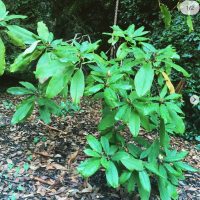
Meet our August Staff Feature – Ron Schmaltz! Ron is the horticulturalist in charge of one of the Washington Park Arboretum’s signature collections: Rhododendron Glen. Ron spent almost 30 years as an IT software developer before pivoting to horticulture. After returning to school at the Edmonds College, Ron started as an intern at the Arboretum in 2017 and, before too long, was working as an official gardener and caring for the 4 acres that make up the Glen.
Read moreThe Weekly Dirt 08.07.24
08.07.24
Around The Farm
The Importance of Food Safety on Farms
By Kristin Choe, UW Farm Intern, majoring in Food Systems, Nutrition, School of Public Health
My name is Kristin and I am a General Farm intern with a food security focus for the summer quarter. I am focusing on food safety and security, which is related to my major. Although this is my first season on the campus farm, I have gained so much knowledge about food safety and security that I cannot wait to share with you!
August Plant Profile: Camellia sasanqua
Scientific Name: Camellia sasanqua
Common Name: sasanqua camellia; the Japanese name for all camellias is tsubaki,“tree with shining leaves,” while the Japanese name for Camellia sasanqua is sazanka, “plum-flowered tea.”
Family: Theaceae
Conservation Status: Least Concern
Native Range: Lowland forests of southern Japan
Culture/Habit: Organically rich, evenly moist, well-drained soils in shade to sun. Small trees to 16 feet tall or vining shrubs growing wider than tall, often depending on sun exposure.
The Weekly Dirt 07.31.24
07.31.24
Around The Farm
The Children’s Garden
By Leyna Doty, Program on the Environment: Environmental Studies, Children’s Garden Intern
After the COVID pandemic shut down the farm to visitors, the Children’s Garden sat vacant, except for a few straggly plants and once-accurate painted rock labels. This season, the Children’s Garden has been an ongoing project to bring back a welcoming space to kids who visit for day camps, field trips, and a sunny stroll from the neighboring Union Bay Natural Area. The children’s garden sits towards the northwest corner of the farm, behind the high tunnel.
Read moreThe Weekly Dirt 07.24.24
07.24.24
Around The Farm
Agroecology in Action on the UW Farm
By Phoebe Clifton, Program on the Environment: Environmental Studies, Vermicompost Intern
Ever since its creation in 2004, the UW Farm has committed to strengthening people’s connection to both food and the environment, recognizing that the two are deeply intertwined. Agroecology is the practice of using local ecosystems to shape agricultural practices, rather than imposing unsustainable growing practices that will eventually degrade the land and harm nearby communities.
The Weekly Dirt 07.17.24
07.17.24
Around The Farm
Sweet Farm Sestina
By Abigail Ipjian, English: Creative Writing & Environmental Studies Minor, Education Intern
Some days I wake up missing the joy
I try so hard to lead my life with. The sunshine
spills in my window, yet stepping into it is more work
than I feel capable of. By now I have learned
that with time, my spirit will grow
so I can rise and remember my role on this earth.
July Plant Profile: European Beech
Scientific name: Fagus sylvatica
Common Name: Common beech, European beech
Family: Fagaceae (Oak family)
Conservation Status: Least Concern
Locations in the Washington Park Arboretum: Oak Collection area, directly east from the Graham Visitor Center
Fagus sylvatica, 3 specimens 595-44-A &B & 907-50-A: grids 42-1E, 43-1E
F.sylvatica ‘Aspleniifolia’ 1142-49-A: grid 41-1E
F.sylvatica ‘Dawyck’ 490-57-A: grid 40-1E
F.sylvatica ‘Riversii’ 682-67-A: grid 44-B
F.sylvatica ‘Rohanii’ 382-50-A: grid 42-1E
F.sylvatica ‘Spaethiana’ 654-54-A: grid 42-1E
F.sylvatica f.
The Weekly Dirt 07.10.24
07.10.24
Around The Farm
The CSA: 7 Reasons Why
By Alex Ball, Food Systems, Nutrition, and Health, School of Public Health, Dani Elenga Intern; CSA Assistant Manager
A CSA, or Community Supported Agriculture, is a model in which consumers pay a lump sum at the beginning of a farm’s growing season, and then receive a weekly share of whatever produce that farm grows.