August Plant Profile: Quercus graciliformis

One of the many gems in our oak collection is Quercus graciliformis, Slender Oak or Chisos Oak, which is endemic to a very limited area in the Chisos Mountains in western Texas. Read on to learn about how the Washington Park Arboretum participates in tree conservation and research, particularly in the case of oaks, maples, magnolias, and hollies.
Read moreStaff Profile: Kristen Johnson
This month we head over to the Center for Urban Horticulture (CUH) to meet horticulturist Kristen Johnson!
Read moreJuly Plant Profile: Juncus effusus ‘Spiralis’
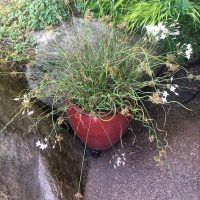
Scientific Name: Juncus effusus ‘Spiralis’
Common Name: Corkscrew rush
Family: Juncaceae
Native Range (of Juncus effusus): Throughout North America, South America, Europe, Africa, and Asia.
The straight species of corkscrew rush, Juncus effusus, has a plethora of common names – including common rush and soft rush – and can be found in temperate climates all over the globe. Juncus is hardy in USDA zones 1-11.
June Plant Profile: Ilex vomitoria
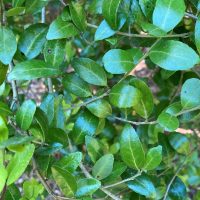
Ilex vomitoria may not be much to look at, but dig just a little deeper to learn its interesting story!
Read moreStaff Profile: Amanda Fairbanks
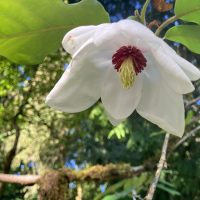
Meet our spring intern, Amanda Fairbanks, as she learns and grows with the horticulture staff at the Arboretum!
Read moreStaff Profile: Kathleen Glasman

Sit in on one of the horticulture staff’s check-in meetings and you’ll quickly notice Kathleen Glasman because she’s game for everything: another team member needs some help running a volunteer opportunity in the Arboretum? She raises her hand. Someone else needs help clearing brush out of their area? She’s available and ready to help. She’s been in the horticulture game for more than 30 years, and her expertise shines through whenever you talk to her.
Read moreMay Plant Profile: Fragaria sp
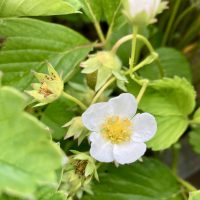
The UW Farm highlights the humble strawberry this month! Managed organically, the campus farm will add a sweet, culturally significant sustainable crop to its curriculum and production.
Read moreVolunteer Spotlight: Cyndy Smith-Kuebel
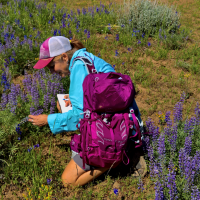
Cyndy Smith-Kuebel was indoctrinated into the outdoor life from day one. Growing up in Western WA, her father found Cyndy an eager student of scientific plant names and quizzed her up and down trails as they hiked in the Cascade Mountains. This sparked a life-long interest in botany and plant ecology that she pursued at the US Forest Service Cle Elum Ranger District.
Read moreShowy Stickseed Conservation Efforts
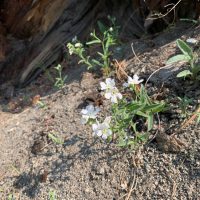
Showy stickseed (Hackelia venusta) is one of Washington’s most imperiled plants. Its only known population occurs in sandy soils on steep, sliding slopes in Tumwater Canyon near Leavenworth, WA. With only a few hundred individuals left, it is at significant risk of extinction without tenacious attention and stewardship. To that end, Rare Care recently completed a recovery project funded by US Fish & Wildlife Service (USFWS) to (1) introduce plants at a new site and (2) install permanent monitoring plots in the natural population.
Read more